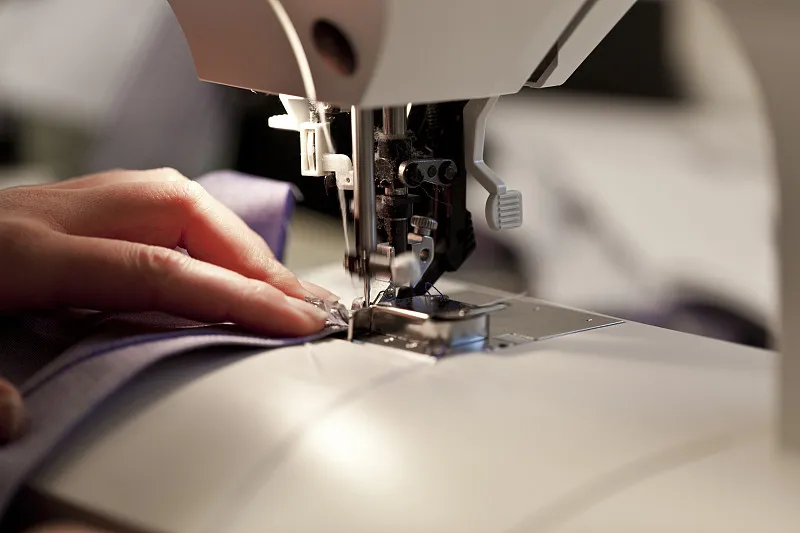




Industrial Sewing Machine 50 Common Faults Quick Diagnostic Tree: From Symptoms to Solutions
Industrial Sewing Machine 50 Common Faults Quick Diagnostic Tree: From Symptoms to Solutions
In garment manufacturing, every minute of unplanned downtime costs money. When a sewing machine stops working, the difference between a 5-minute fix and a 2-hour repair often comes down to one thing: knowing where to look first.
Industry data shows that 73% of sewing machines brought in for repair are successfully fixed. In only 11% of cases is the repairer unable to resolve the problem. The most common issues—tension problems, bobbin winder malfunctions, needle adjustments, and lack of cleaning—are almost always preventable with proper diagnosis.
This guide provides a systematic diagnostic tree for the 50 most common industrial sewing machine faults, organized by symptom category. Each entry includes the symptom, likely causes, step-by-step solutions, and recommended spare parts to keep in stock.
1. Thread Breakage: Upper Thread Keeps Snapping
Upper thread breakage is one of the most frequent production stoppages in garment factories. It can account for a significant percentage of all failure cases.
Symptoms:
-
Thread snaps during sewing
-
Thread frays or shreds at the needle eye
-
Thread breaks at the start of a seam
Diagnostic Tree:
Q1: Is the needle thread tension too strong? → Adjust the needle thread tension
Q2: Is the thread take-up spring strength adequate? → Adjust the needle thread take-up spring
Q3: Are there scratches on thread-contacting parts? → Check needle plate, hook, and presser foot; replace if scratches are found
Q4: Is the needle getting too hot (synthetic threads)? → Reduce sewing speed; apply silicone oil lubricant
Q5: Is the thread quality poor? → Use better quality thread
Q6: Is the thread too thick for the needle? → Change needle or thread to proper size
Quick fix: Rethread the machine completely, ensuring the thread passes through all guides and the tension mechanism correctly. Check that the needle is not bent or dull.
2. Bobbin Thread Breakage: Lower Thread Keeps Snapping
Bobbin thread breakage is equally disruptive and often misdiagnosed as an upper thread issue.
Symptoms:
-
Bobbin thread breaks mid-seam
-
Thread shreds inside the bobbin case
-
Thread tails are uneven
Diagnostic Tree:
Q1: Is the bobbin thread tension too strong? → Adjust the bobbin thread tension
Q2: Are there scratches on the needle plate or bobbin case? → Replace scratched parts
Q3: Is the bobbin wound unevenly? → Rewind the bobbin with even tension
Q4: Is the bobbin inserted incorrectly? → Reinsert with thread unwinding in the correct direction
Q5: Is there lint under the tension spring? → Clean the bobbin case thoroughly
Quick fix: Remove the bobbin case, clean out all lint and debris, reinsert the bobbin correctly, and adjust bobbin tension using the drop test (the bobbin case should descend 3-4 inches when held by the thread).
3. Skipped Stitches: Needle Fails to Catch
Skipped stitches are a quality nightmare—they weaken seams and require rework. A fresh needle alone solves more than 50% of skipped stitch problems.
Symptoms:
-
Gaps in the seam line
-
Thread loops on the underside
-
Two consecutive stitches skipped
Diagnostic Tree:
Q1: Is the gap between needle and hook too large? → Adjust the gap/position between needle and hook
Q2: Is the timing between needle and hook correct? → Adjust timing
Q3: Is the hook driver pushing the needle too much? → Adjust the gap between needle and hook driver
Q4: Is the needle attached correctly? → Check needle installation
Q5: Is the needle bent or burred? → Replace needle
Q6: Is the needle the wrong size? → Check needle size
Q7: Is the thread take-up lever threaded correctly? → Check threading
Q8: Is presser foot pressure too light? → Increase foot pressure
Q9: Is the needle guard position or timing incorrect? → Check position and timing of needle guard
Quick fix: Replace the needle with a new one of the correct size and type. Verify the needle is inserted with the flat side facing the correct direction and pushed fully into the clamp.
4. Needle Breakage: Needle Snaps During Sewing
Needle breakage stops production instantly and can damage the hook, needle plate, and other components.
Symptoms:
-
Needle snaps or bends
-
Broken needle pieces in the machine
-
Loud noise followed by stoppage
Diagnostic Tree:
Q1: Is the needle installed correctly? → Reinstall needle, ensuring it's fully pushed up
Q2: Is the needle bent or dull? → Replace needle
Q3: Is the needle too thin for the fabric? → Select a thicker needle
Q4: Is the needle too thick? → Select a thinner needle
Q5: Is the needle loose? → Tighten the needle clamp screw
Q6: Is the needle hitting the presser foot or needle plate? → Check alignment and presser foot installation
Quick fix: Remove all broken needle pieces immediately. Install a new needle, ensuring it is fully pushed up and the clamp screw is tight. Check that the presser foot is correctly installed and aligned with the needle hole.
5. Seam Puckering: Fabric Gathers Along the Seam
Puckered seams ruin garment appearance and require costly rework.
Symptoms:
-
Fabric gathers or wrinkles along the seam
-
Stitches appear tight
-
Seam does not lie flat
Diagnostic Tree:
Q1: Is the stitch length too long for the material? → Decrease stitch length
Q2: Is the needle point burred? → Replace needle
Q3: Is the thread tension incorrect? → Check and adjust thread tension
Q4: Is presser foot pressure too light? → Increase pressure on presser foot
Q5: Is the fabric too sheer or soft? → Use underlay of tissue paper or strengthening tape
Q6: Are two different sizes or kinds of thread being used? → Use same size upper and bobbin thread
Quick fix: Reduce upper thread tension gradually until the seam lies flat. Test on scrap fabric before resuming production.
6. Irregular Stitches: Stitch Length Varies Inconsistently
Irregular stitches indicate a feeding or tension problem.
Symptoms:
-
Stitch length varies within a seam
-
Some stitches longer, some shorter
-
Uneven appearance
Diagnostic Tree:
Q1: Is the needle size incorrect for thread and fabric? → Choose correct size needle
Q2: Is the machine threaded improperly? → Check threading
Q3: Is upper thread tension too loose? → Tighten upper thread tension
Q4: Is the operator pulling on the fabric? → Do not pull fabric; guide it gently
Q5: Is presser foot pressure too light? → Increase pressure
Q6: Is the presser foot loose? → Reset presser foot
Q7: Is the bobbin wound unevenly? → Check bobbin
Q8: Are the feed dogs lowered? → Raise feed dogs
Quick fix: Rethread the machine, check that the presser foot is secure, and verify feed dogs are raised.
7. Loose Bottom Thread / Bobbin Thread Tangles
When the bobbin thread knots or tangles, the seam is weak and the machine may jam.
Symptoms:
-
Loops or tangles on the underside
-
Bobbin thread visible on top
-
Machine jams
Diagnostic Tree:
Q1: Is upper thread tension too loose? → Tighten upper thread tension
Q2: Is presser foot pressure too light? → Increase pressure
Q3: Is the upper thread too thick for the material? → Use smaller size upper thread
Q4: Is there a size difference between upper and bobbin thread? → Use same size thread
Q5: Does the bobbin not run smoothly? → Use new bobbin case and shuttle
Q6: Is the needle size incorrect? → Choose correct size needle
Quick fix: Remove the bobbin, clean the bobbin case, reinsert with correct tension, and ensure upper and bobbin threads are the same weight.
8. Machine Does Not Feed Fabric
When the machine runs but the fabric doesn't move, production stops completely.
Symptoms:
-
Needle moves up and down but fabric stays in place
-
Stitches pile up in one spot
-
Fabric slips or doesn't advance
Diagnostic Tree:
Q1: Is stitch length set to zero? → Check stitch length and pattern settings
Q2: Is presser foot pressure too low? → Check pressure setting
Q3: Are feed dogs lowered? → Raise feed dogs
Q4: Is the material overlapped (cross seams, sudden thickness change)? → Use specialized presser foot
Q5: Is needle penetration power insufficient? → Use more powerful motor or add speed reducer
Quick fix: Check that stitch length is set above zero, presser foot pressure is adequate, and feed dogs are raised.
9. Thread Loops on Underside of Fabric
Thread looping underneath is almost always an upper threading issue.
Symptoms:
-
Thread loops visible on the underside
-
Stitches appear loose underneath
-
Fabric looks messy on the reverse side
Diagnostic Tree:
Q1: Is the upper thread not correctly threaded? → Completely remove and rethread the machine
Q2: Is the upper thread tension too loose? → Tighten upper thread tension
Q3: Is the needle bent or dull? → Replace needle
Q4: Is the bobbin inserted incorrectly? → Remove and reinsert bobbin correctly
Quick fix: Raise the presser foot and needle to their highest positions. Completely remove the upper thread and rethread following the machine manual step by step.
10. Preventive Maintenance and Spare Parts Checklist
Prevention is always better than cure. Implementing a systematic maintenance schedule can reduce machine failure frequency by over 54%.
Daily Maintenance:
-
Clean lint from bobbin area and needle plate
-
Check oil level
-
Inspect needle for bending or dullness
-
Wipe down machine surfaces
Weekly Maintenance:
-
Deep clean hook compartment and shuttle area
-
Check thread path for burrs or fraying
-
Inspect feed dogs for wear
-
Tighten all screws and fasteners
Monthly Maintenance:
-
Check and adjust timing if needed
-
Inspect belts for wear
-
Clean tension discs
-
Verify stitch quality on test fabric
Essential Spare Parts to Stock:
-
Needles (various sizes)
-
Bobbins and bobbin cases
-
Rotary hooks and hook assemblies
-
Feed dogs
-
Presser feet
-
Thread take-up springs
-
Tension discs
-
V-belts (motor to machine)
Recommended stocking quantity: JUKI's EssentialPartsList tool recommends stocking quantities based on the number of machines and desired inventory period. For a factory with 10 machines, a typical recommendation might include 10 thread take-up springs and 5 shuttle assemblies.
The Bottom Line
Most sewing machine problems are preventable and fixable. The data shows that 73% of sewing machines brought for repair are successfully fixed, and the most common issues—tension problems, bobbin issues, needle problems, and lack of cleaning—are almost always user-solvable.
A systematic diagnostic approach—starting with the simplest fixes (rethreading, changing the needle, cleaning) and working toward more complex solutions (timing adjustment, parts replacement)—can resolve the vast majority of production stoppages. By keeping essential spare parts in stock and following a regular maintenance schedule, factories can reduce machine failure frequency by over 54% and keep production running smoothly.
Ready to reduce downtime with reliable industrial sewing machines? Explore DOIT Group's full range at denimsewing.com.
📩 Email: sales6@chinadoit.cn
🌐 Website: denimsewing.com